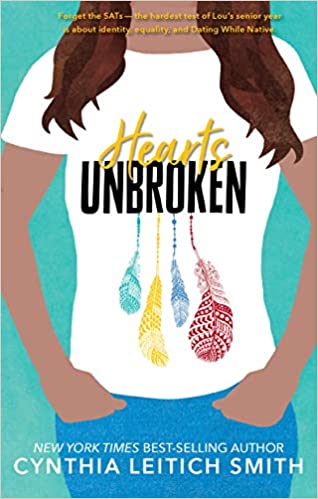
 This is a rare book, featuring a Native American girl dealing with some interesting problems. The fact that her family is Native is important for a lot of reasons, including the plot and her identity. Lou is Muscogee (Creek), which was kind of cool for me because the Creek Nation extends from the southern edge of Tulsa a ways south, and the one time I went to a casino, it was the Creek Nation one that’s less than two miles from parent’ house. Not that I’m saying that casinos=Indian culture by any means, but I always find it fun to see something that is somewhat familiar to me in books I read, which rarely happens because I don’t generally live in cool places.
Anyways, Lou. It’s the beginning of the school year and she’s a senior while her brother Hughie is a freshman. Her dad is a dentist and her mom is studying to be a lawyer, so she’s solidly middle class. They recently moved to a suburb of Kansas City (I think, could be a different city) from Texas. The book technically opens late the morning after her junior prom. Soon after she manages to rouse her very hungover boyfriend, Cam, they go to have breakfast with his family, where his mom makes some racist remarks against Cam’s brother’s Native girlfriend and then Cam himself makes some stupid generalizations about Indians, as well. Lou’s pissed and breaks up with him. The reader unquestionably cheers her on for this.
The actual plot gets going once she starts school in the fall. The theater director casts several students of color, including Hughie, in the school’s production of The Wizard of Oz. This triggers the formation of of a group called Parents Against Revisionist Theater, led by the wife of the pastor at the biggest local church. While this gets started, so does Lou’s role as a reporter for the school paper and her friendship with Joey, the other reporter. There’s a little bit of healthy competition, as well as some sparks, between them. Of course, things proceed from there, with a lot of things happening. One of the things I liked about the book was how honest it was about the number and kind of microaggressions Indians have to deal with. People assuming, generalizing, saying overtly racist things (whether they mean them that way or not), etc. Then there were the ones that weren’t exactly “micro,” too.
My one complaint about the novel is that her relationships with her boyfriends were not developed enough for my taste. I especially didn’t see what she saw in the first, Cam, who didn’t seem to have a single redeeming quality. Joey was more appealing, but we still never learned what she really liked about him. So they both felt like plot devices. Otherwise, I thought the characters were interesting, if a little underdeveloped. Despite these feelings, I overall quite enjoyed the book. The story was good and it brought up some really interesting history I didn’t know about. One example: that the author of The Wizard of Oz passionately advocated for the genocide of all Native Americans. Which, you know, wow.
So I’d recommend this to anyone interested in a different perspective you don’t get much in YA (or literature in general, really). It’s a satisfying read.
 This is a hefty book for a contemporary, coming in at over 420 pages, but I enjoyed every bit of it.

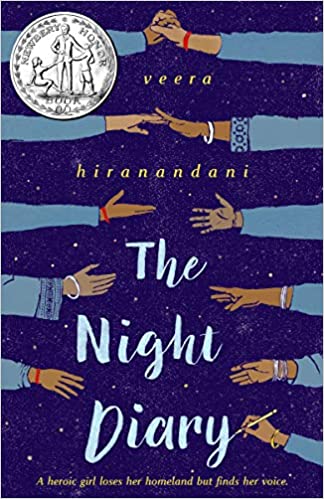 I don’t often review middle grade here (I don’t often read middle grade, either), but I’m making an exception for this book because it was so good. It also felt more borderline lower-YA to me.
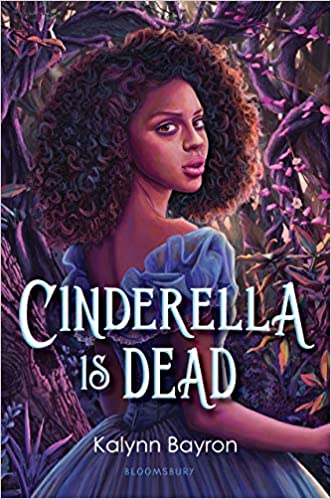 The premise of this novel is amazing. This is the magical kingdom where Cinderella found her Prince Charming, 200 years later—except everything is not all unicorns and rainbows. The current king has maintained the tradition of every sixteen-year-old girl going to the annual ball to get “selected” by the men from the kingdom. If they don’t get picked, they have to go back the next year and then the next, and if they don’t get selected by then, they’re “forfeit.” It isn’t clear to people what that means, exactly, but it’s not good. And the girls are supposed to go all out for the ball—actually, they’re supposed to be visited by the fairy godmother, if they’re "lucky" enough. But in reality, parents spend loads of money they don’t really have on dresses and everything so their daughters can be competitive at the ball. So that’s the basic setup—with a sexist medieval Western European-flavor. But there is a lot more going on than the characters know about.
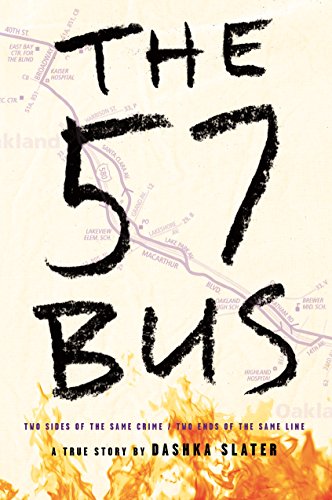 This time I’m reviewing a nonfiction book, something I don’t do very often. But I devoured this one. It tells the story of an attack on an agender teen by a Black teen on a bus in Oakland, California, and the aftermath. But it delves into the lives of both teens as well as the justice system and provides a really objective view of all the issues surrounding the attack.
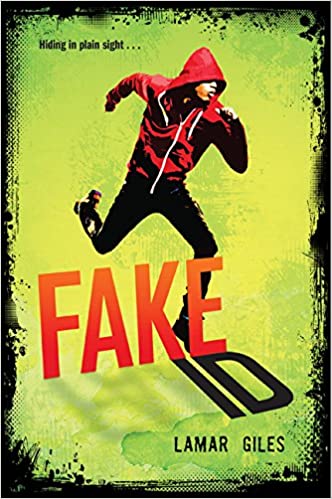 I don’t remember how I found out about this book, which originally came out in 2014, but I’m glad I did. As I’m starting to explore suspense in YA more, this is a perfect thing for me to read. I saw it compared to a Harlan Coben book, and having just read my first Coben book, I can say the comparison is apt.
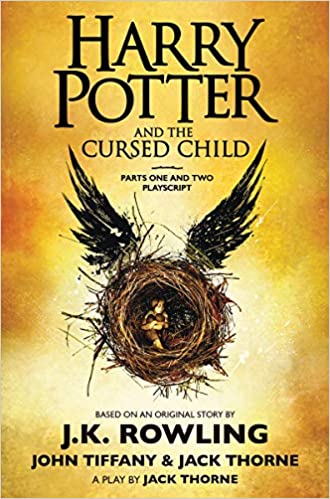 I've had this book a while and finally got around to picking it up. And I have to admit after reading it that I think it would work better as a produced play than a script (I was thinking that myself, but a friend of mine read the book and felt meh about it, but then saw the play and said it was awesome), but I still enjoyed the story.
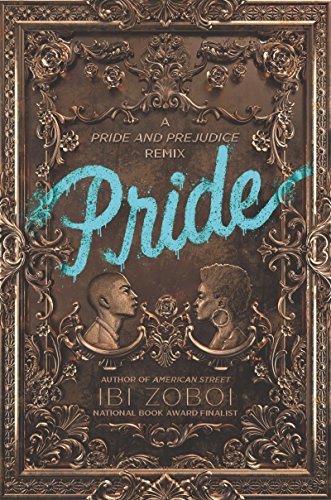 I read this sharp Pride and Prejudice remix quickly because it really sucked me in.
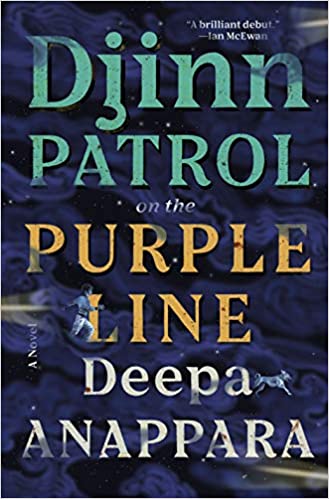 I rarely review books here that aren’t YA, but I enjoyed this one and think some of you might, as well. This is a rare suspense novel set in India (at least it’s rare to me—when I think of suspense, it’s almost always with white characters).
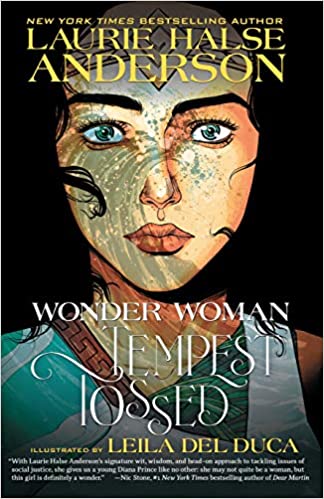 I was a little surprised to see a graphic novel by Laurie Halse Anderson, but of course I had to check it out. I'm not a superhero fan in general, but I sometimes make an exception for Wonder Woman. I'm glad I did this time. It was illustrated by an artist I wasn't familiar with, Leila del Duca, but she impressed me with her sharp style.